WEEK1
- Documentary & podcast
Documentary means “creative treatment of actuality .” It means that if you use your creativity to organize pieces of recorded reality into a narrative, then you have produced a documentary. A brief documentary might have as its sole character a large beetle trying to climb a stalk in order to take wing. Successful documentaries have engaging characters, narrative tenBasic sion, and something to say about the human condition.
In class, we talked about what is a good definition of documentary and some of the key characteristics of a documentary. We also learn if we want to make a successful documentary we should do what things. Besides, we learn about podcasts and discuss it. Some people think there are less people use podcasts right now, some people think podcasts still popular. Everyone gave their own reasons.
- Workshop
Learn some Camera Angels/Movements: Close Up(CU), Wide Shot(WS), Planning Shot(PS), Tilt Shot(TS), Mid Shot(MS), Low Angle Shot(LAS), Tracking Shot, High Angle Shot(HAS), Point Of View Shot(POV), Pull Focus/Racking Shot.
We use four shot types shoot a short film by using our phones and upload it in canvas discussion.
WEEK2
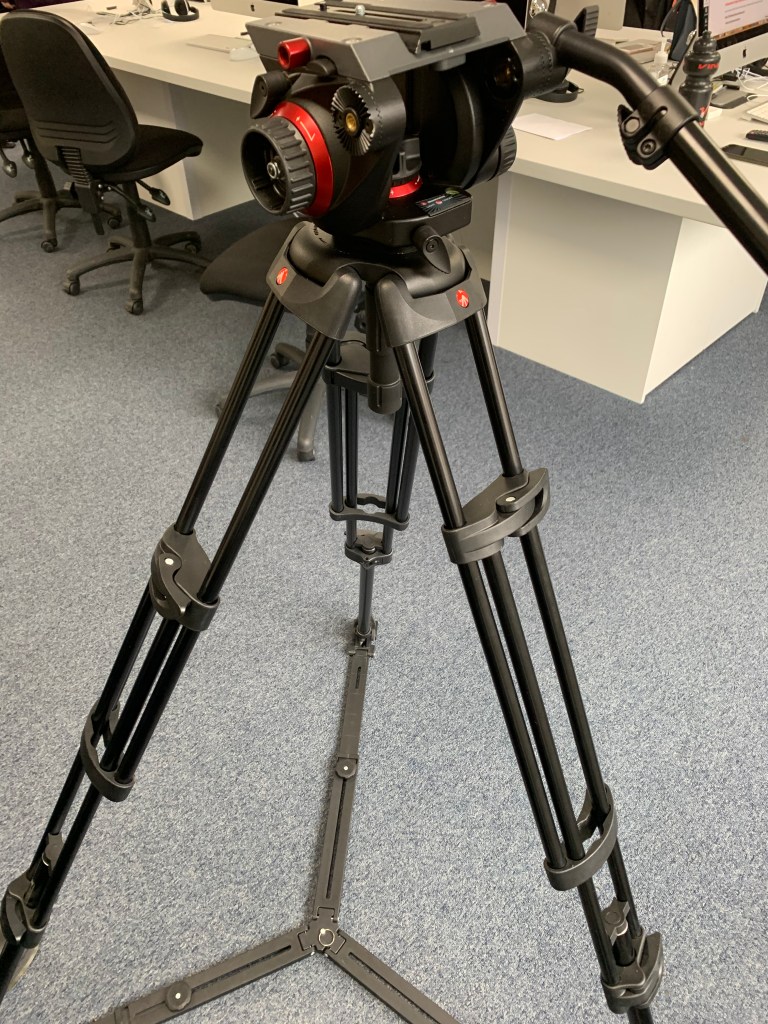
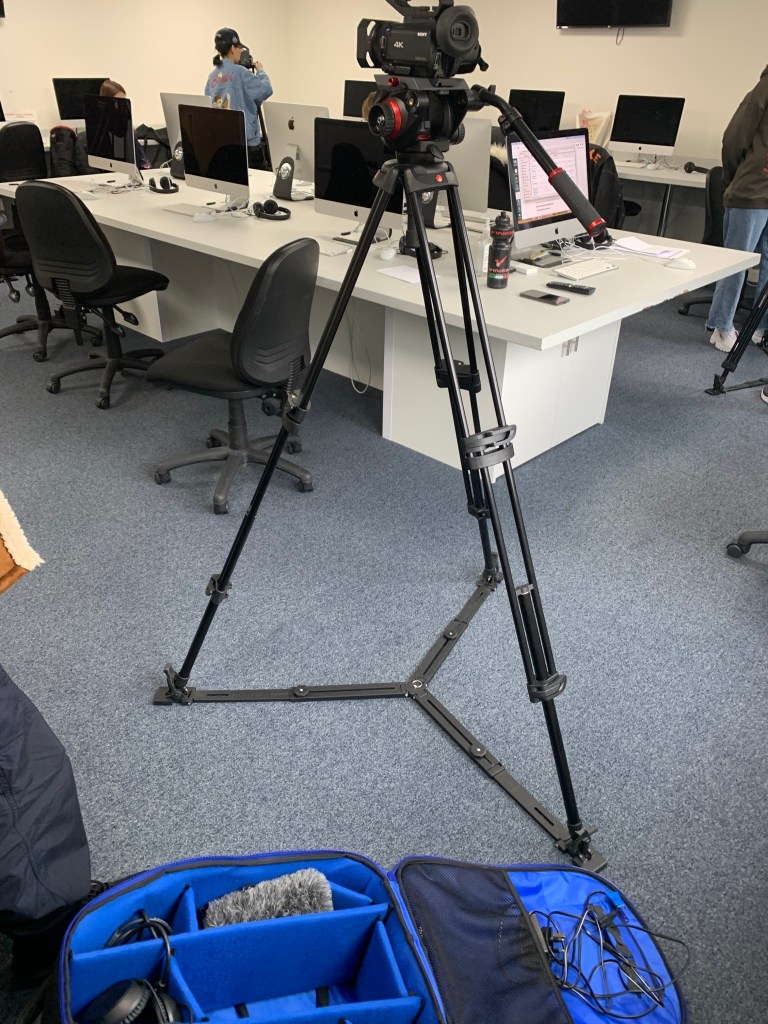
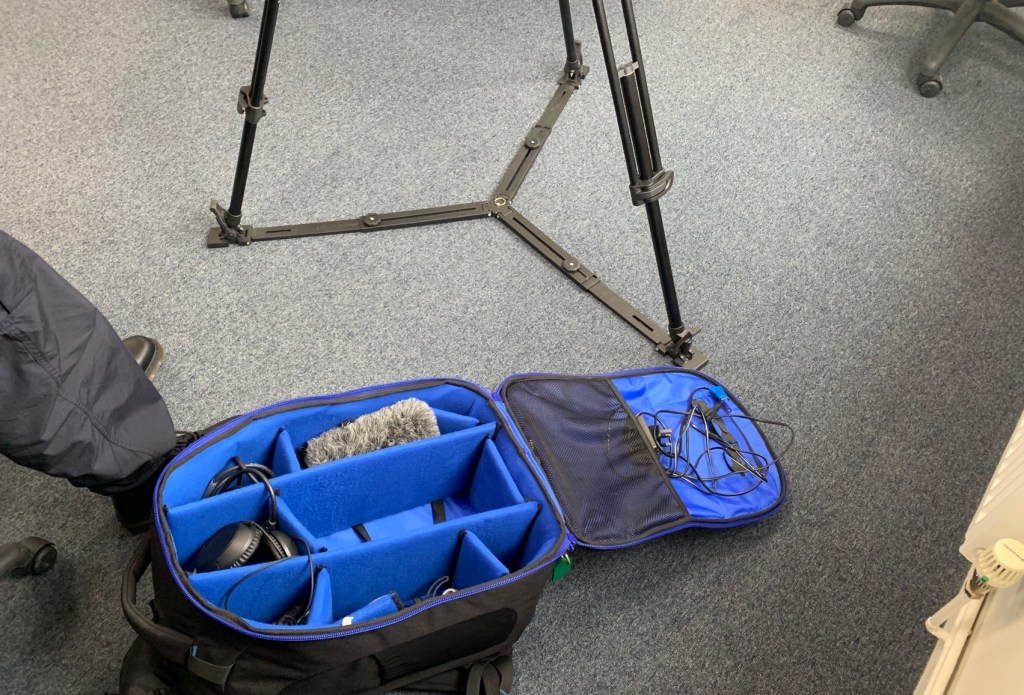
In this week, we have learned about how to use a professional film camera.Specifically, we learned the basic steps when using a film camera, including: setting a tripod, adjusting the focal length and focal length, changing the shutter speed and ISO, etc. In order to practice the familiarity of these steps, we shoot in different scenes.
The seminar this week introduced different types of documentaries, these include: Poetic, Expository, Reflexive, Performative, Observational and Participatory documentaries. After seeing these two types of documentaries, I was more interested in observational and poetic documentaries rather than informative documentaries. This is because those documentaries allow for more artistic creativity including different camera angles and other cinematographic techniques.
WEEK3-Recording Audio
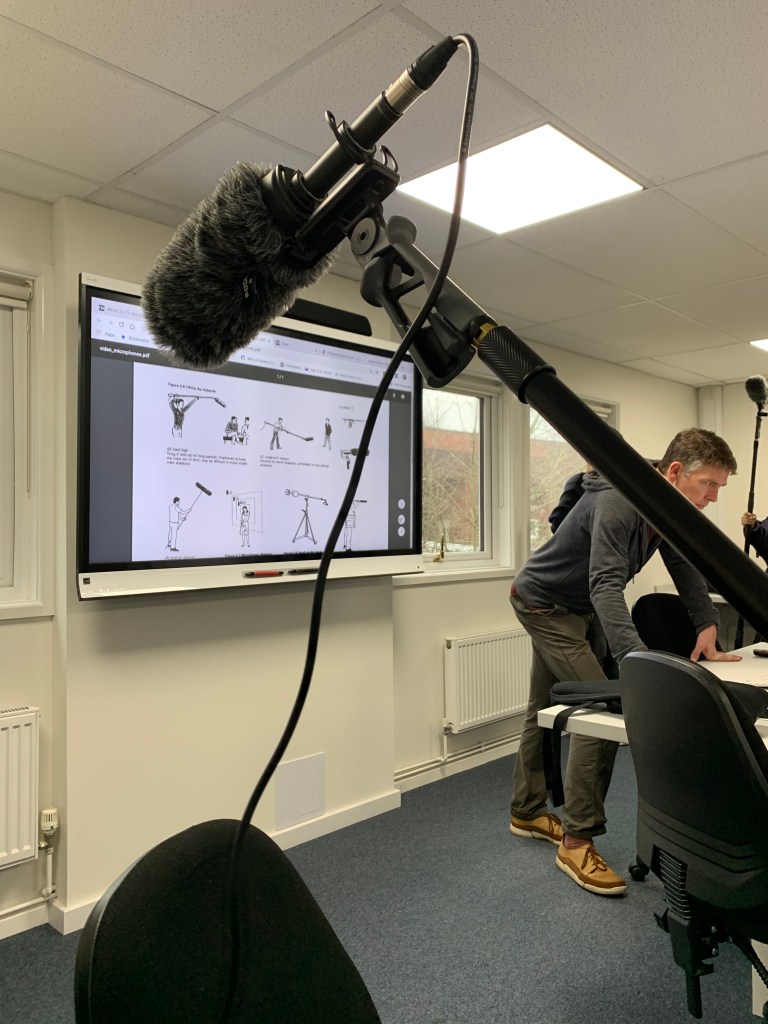
This week we learned how to use professional recording equipment, including bullet gun microphones and booms. Such a device allows us to learn that when shooting interviews, we should pay attention to the shooting of the lens angle and the position of the person’s picture in the lens, including asking open-ended questions when asking questions, not just answering questions. This kind of learning helps us to practice shooting ability. If we decide to work in the media industry in the future, this learning is very helpful.
The seminar further improved our understanding of documentaries by introducing two types of documentaries, observational and participatory. After watching these two types of documentaries, I am more interested in observational documentaries. Observational documentaries are more like rich movies. They provide new perspectives for documentaries. The creators of documentaries can also have many shooting techniques space.
WEEK4-soundscape
This week, we learned about audio and how to use professional recording equipment. Before using these devices, we first feel the surrounding sound in the classroom. The teacher told us to close our eyes and record all the sounds around us. I heard the sound of the engine of the car, the sound of the keyboard and mouse, the sound of writing, the sound of rain, the sound of birds, the sound of the wind, and the sound of the chair sliding. After that, we learned how to use recording equipment and use the recording equipment to collect some sounds. My partner and I recorded the voices of students talking and discussing in the public area near the teaching building, the footsteps of students walking upstairs and the sound of water walking on the ground on rainy days.
In this week’s seminar, we listened to a piece of audio on a webpage, which recorded the sounds of various scenes, such as the various sounds that appeared during the weekend in the park, such as the sound of the equestrian sports meeting. Everyone can choose to listen to different scenes and talk about their feelings with everyone. Audio can bring many different experiences to people. People can’t see the picture, so it adds more space for imagination.
WEEK5-practice interviewing
After learning to use recording equipment from us last week, our learning task this week was to use them to record sound on campus. My partner and I interviewed two international students on campus and used some of the knowledge we learned before to ask open questions. We recorded the entire process of the interview, and edited and edited a single voice to complete the final work.
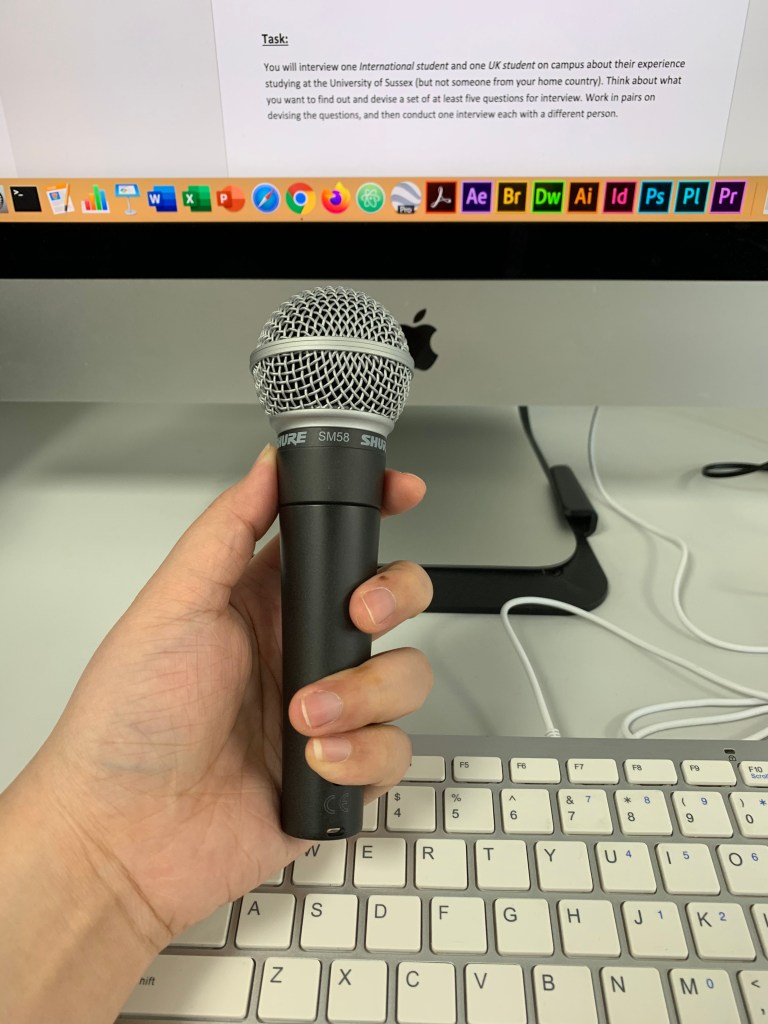
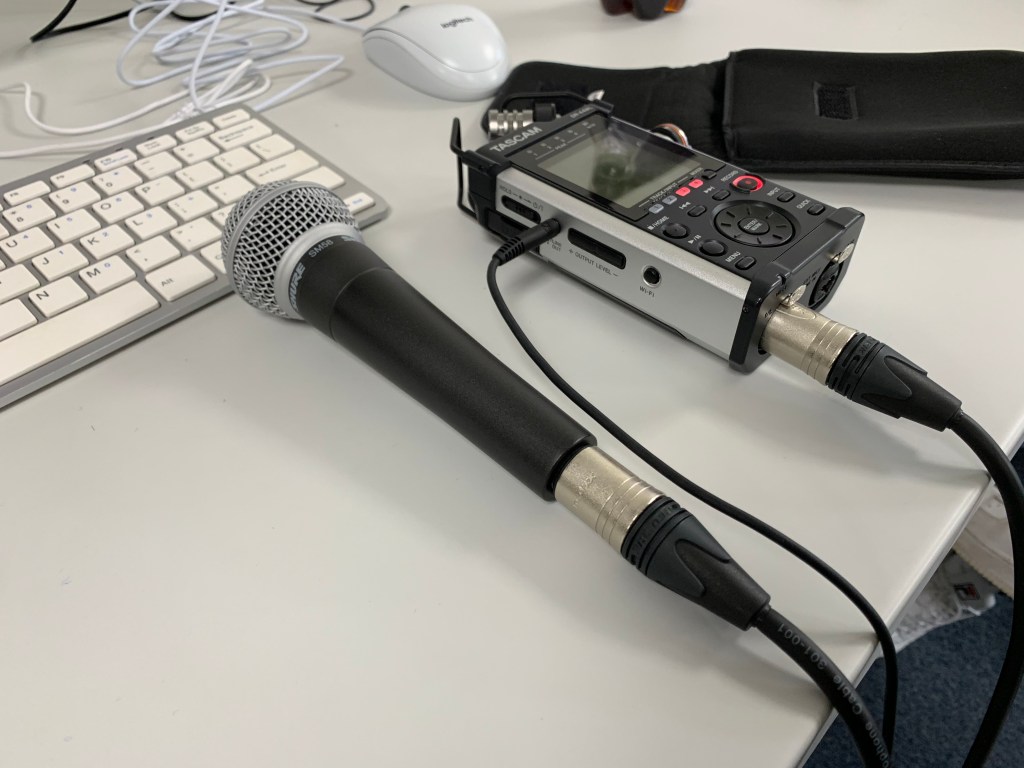
As can be seen from the seminar, this week’s focus is mainly on sound, so our seminar is only to introduce the soundscape, which is very suitable. We saw the soundscape created by Hildegarde Westerkamp. This soundscape contains a variety of different sounds, including: church bells, choir singing, door squeaking, organ playing, etc. Each sound will be quieter when it is expressed individually, but when all the sounds are combined, they will have different effects. The plasticity and creative type of sound are also very high.
WEEK7-Project Pitch
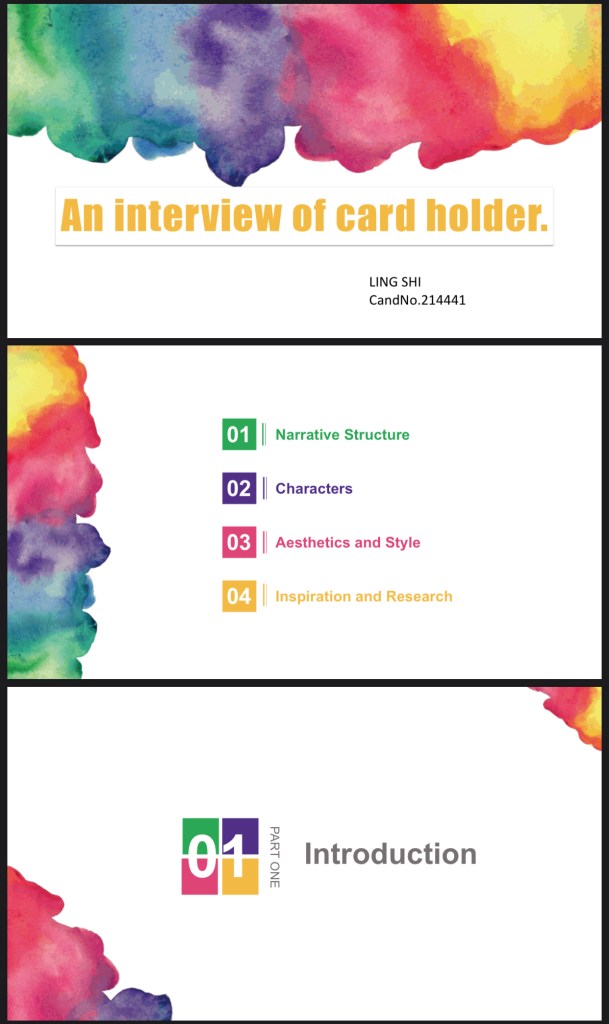
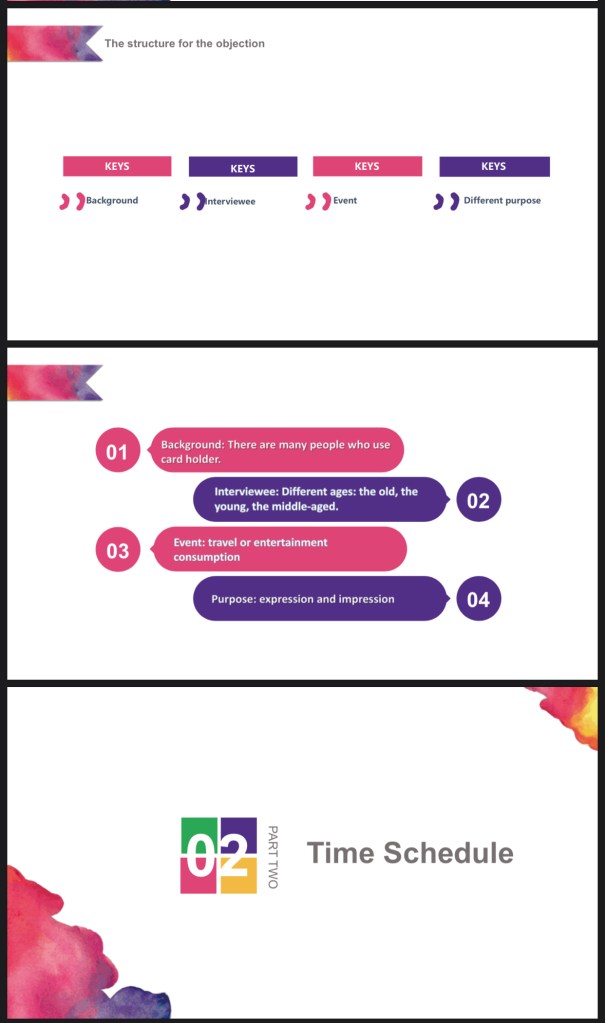
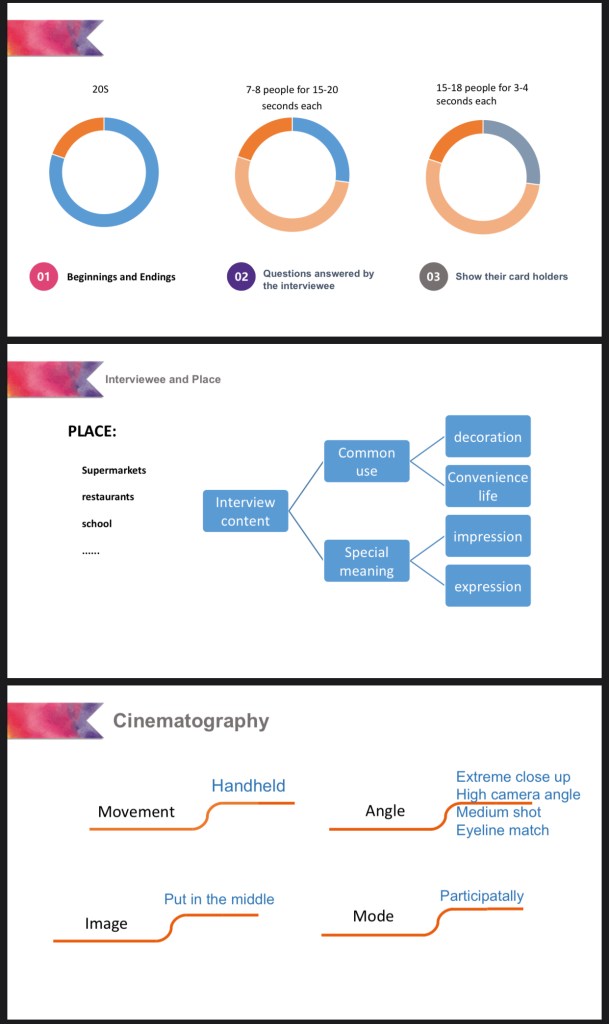
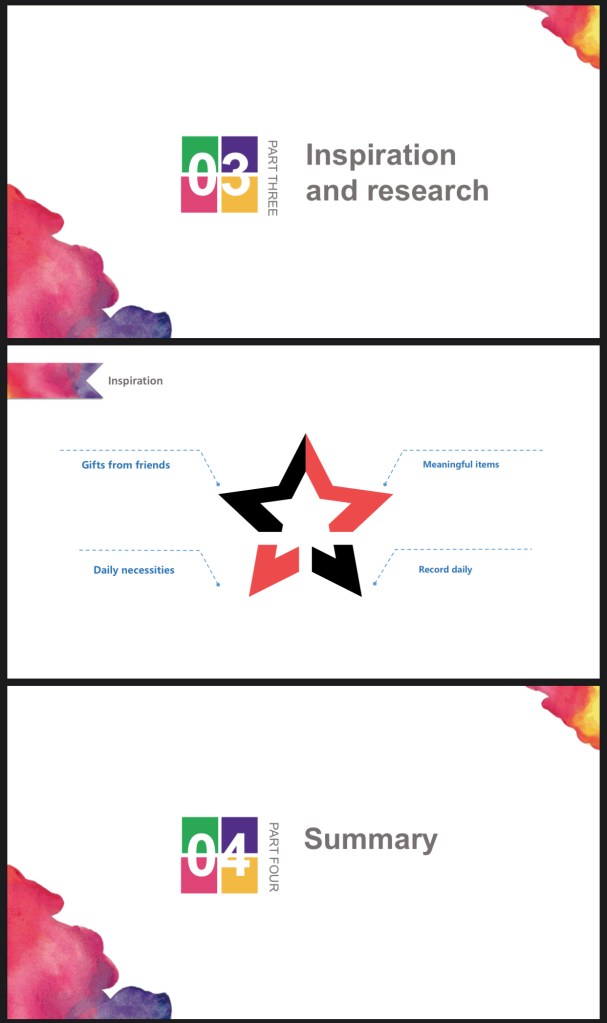
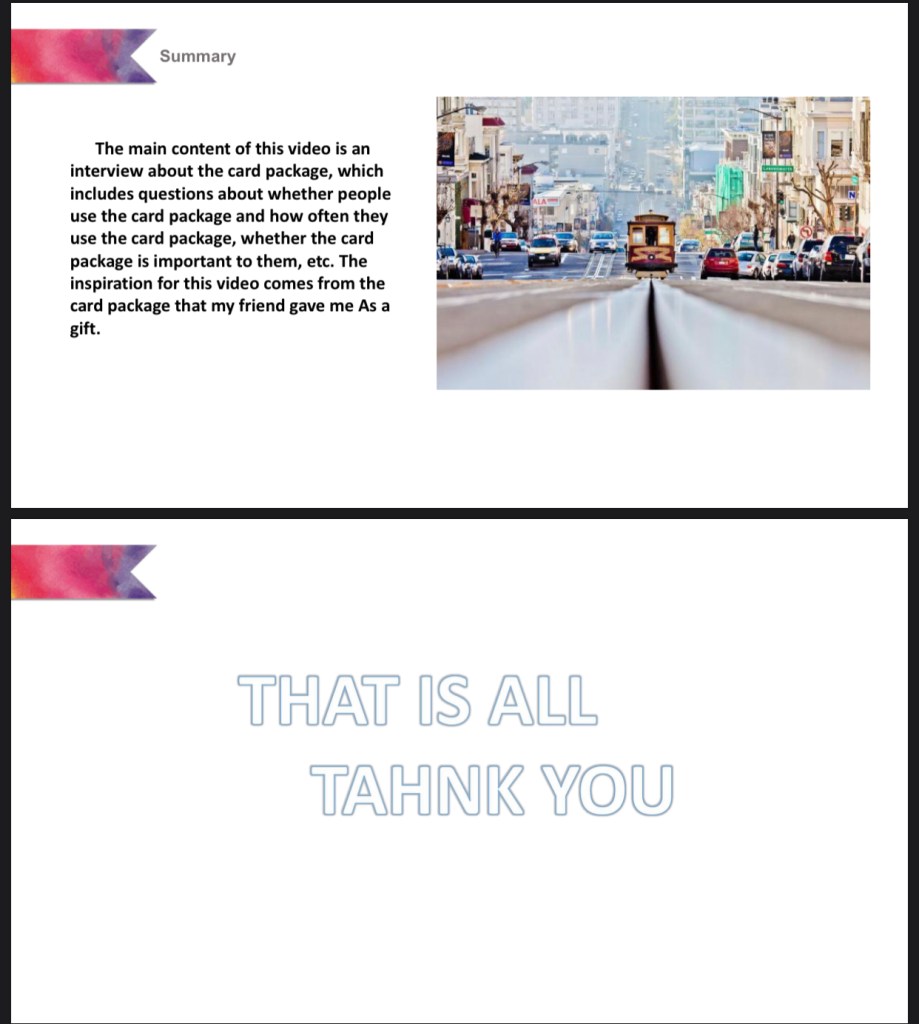
This is my project pitch. The theme is ‘The story of an object‘.
 LING'S PROJECT